
Imagine starting your day feeling sharp and ready to conquer the world, only to find yourself later overwhelmed by a series of seemingly trivial decisions. Each choice, whether about what to wear or how to prioritize tasks, chips away at your mental clarity. By the afternoon, even the simplest decisions feel daunting. This is the insidious nature of decision fatigue, a concept that’s not just psychological but physiological, sapping your energy and effectiveness.
Decision fatigue silently erodes productivity for anyone making choices all day. It’s that creeping exhaustion leading you to pick defaults, delay, or make impulsive decisions. In knowledge work, it’s a hidden drain on your effectiveness. But what if you could sidestep this mental tax?
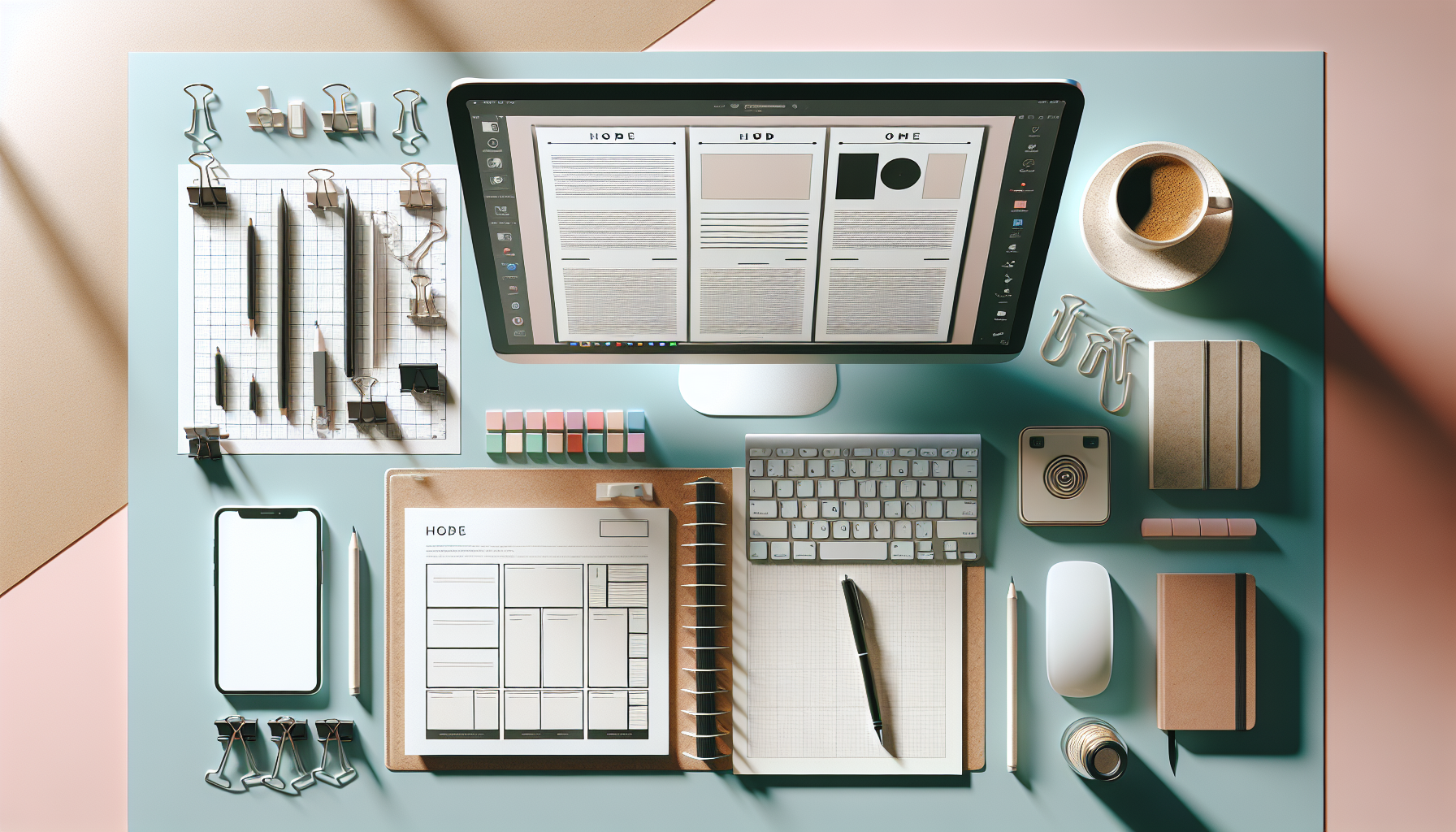
There’s a powerful tool at your disposal: templates. By structuring routine decisions, templates free up mental bandwidth for creativity and critical thinking. This isn’t just theory—it’s a strategy backed by real-world results.
In this article: How templates save mental energy · The most impactful templates · Designing effective templates · How to build a template library
The Invisible Tax on Your Decisions
Decision fatigue strikes when you least expect it, subtly influencing your choices. The more decisions you make, the more mental resources you deplete. By the end of the day, even simple decisions feel like a burden.
Every choice you make chips away at your ability to make the next one.
Templates offer a solution by streamlining recurring decisions. They provide ready-made structures, freeing you from constant decision-making and conserving mental energy for more critical tasks.
Consider the simple act of deciding what to eat for dinner. Services like Blue Apron or HelloFresh have capitalized on this concept by delivering meals with recipes, reducing the cognitive load associated with meal planning. This is a template in action: a formula that simplifies decision-making.
What Templates Actually Do
A template is your decision-making shortcut. It’s a framework that tells you where to start and what to include, saving you from reinventing the wheel. Whether for a meeting agenda or a project plan, templates mean you focus on content, not structure.
Every document from a blank page requires structural decisions. Multiply that by your weekly output, and the cognitive load becomes clear.
Consider how many repetitive tasks you perform each week. Templates turn these into a one-time effort, allowing you to use your mental bandwidth more effectively. For example, Trello offers templates for project management that streamline task assignment and tracking, enhancing team productivity.
Templates serve as guidelines that reduce variability, much like McDonald’s achieves consistency and efficiency by standardizing its food preparation process. This principle applies broadly, from corporate environments to personal productivity.
The Areas Where Templates Pay Off Most
Not all tasks benefit equally from templates. Some areas, however, show significant returns.
High Impact
Tasks like meeting agendas and weekly planning benefit immensely from templates. They reduce these activities to simple fill-in-the-blank exercises, making them less daunting. Tools like Microsoft Teams and Slack offer templates for meeting agendas, which boost efficiency and ensure no key points are missed.
Low Impact
Unique or highly creative tasks benefit less from templating. For these, a more flexible approach may be necessary to maintain creativity and innovation. For instance, artists or writers often find that rigid templates can stifle creativity, requiring a balance between structure and freedom.
Balancing the use of templates with the need for creativity ensures that while routine tasks are streamlined, innovative work remains dynamic and fresh. This balance is crucial in environments that value both efficiency and originality.
The Design Principle: Minimum Viable Template
Creating effective templates requires balance. Over-engineered templates become cumbersome, negating their purpose. The goal is to simplify and streamline without adding complexity.
Document your natural workflow for successful tasks. Strip away everything non-essential to form your template.
When templates remain simple, they get used. Complex templates, however, tend to gather digital dust, forgotten and unused. Google Docs, for example, offers minimalist templates for resumes and reports that are widely used because of their simplicity and ease of customization.
To keep your templates straightforward, start by identifying the core components necessary for the task. This approach ensures that the template is functional without being overwhelming, encouraging consistent use.
Building Your Template Library
Start small. Create templates reactively, capturing the method you use the second time you perform a task. This ensures your templates reflect reality, not an idealized version.
Refining your template by the third or fourth use often results in a format that’s both practical and efficient.
As you refine these templates, they become robust tools that enhance productivity and reduce decision fatigue. For instance, Salesforce users benefit from customizable templates that evolve with their sales processes, ensuring they remain relevant and useful over time.
Building a library of templates is an investment in long-term efficiency. As you encounter new tasks, add to your collection, ensuring you continually streamline your workflow and preserve mental energy.
Frequently Asked Questions
How do templates reduce decision fatigue?
Templates transform recurring decisions into a one-time setup, saving mental energy for unique tasks. They streamline routine processes, allowing you to focus on more critical and creative challenges.
Which tasks benefit most from templates?
Recurring tasks, like meeting agendas and project kickoffs, show significant time and energy savings. These tasks benefit from pre-defined structures, minimizing the cognitive load required to start from scratch.
What’s a minimum viable template?
It’s the simplest form of a template that covers all essential elements without overcomplicating the process. This ensures ease of use and encourages regular application.
How can I start building my template library?
Begin by documenting common tasks and refining them into templates as you repeat them. Over time, expand your library to cover more areas of your workflow, prioritizing tasks that consume significant mental energy.
The Short Version
- Decision fatigue — It erodes decision quality; templates prevent this by minimizing choices.
- High-impact areas — Templates for recurring tasks bring the greatest efficiency gains.
- Simple templates — Over-engineered solutions get abandoned; keep it straightforward.
- Reactive creation — Develop templates from real tasks rather than theoretical ones.
- Communication templates — Standardized emails and updates offer quick wins in efficiency.
People Also Search For
decision fatigue management · template productivity · using templates at work · benefits of templates · how to create templates · decision making efficiency · template library creation · cognitive load reduction · task automation with templates · mental energy conservation
Watch: Related Video
Sources
- Danziger, S. et al. (2011). Extraneous factors in judicial decisions. PNAS.
- Baumeister, R. et al. (1998). Ego depletion. Journal of Personality and Social Psychology.
- Allen, D. (2001). Getting Things Done. Penguin Books.